


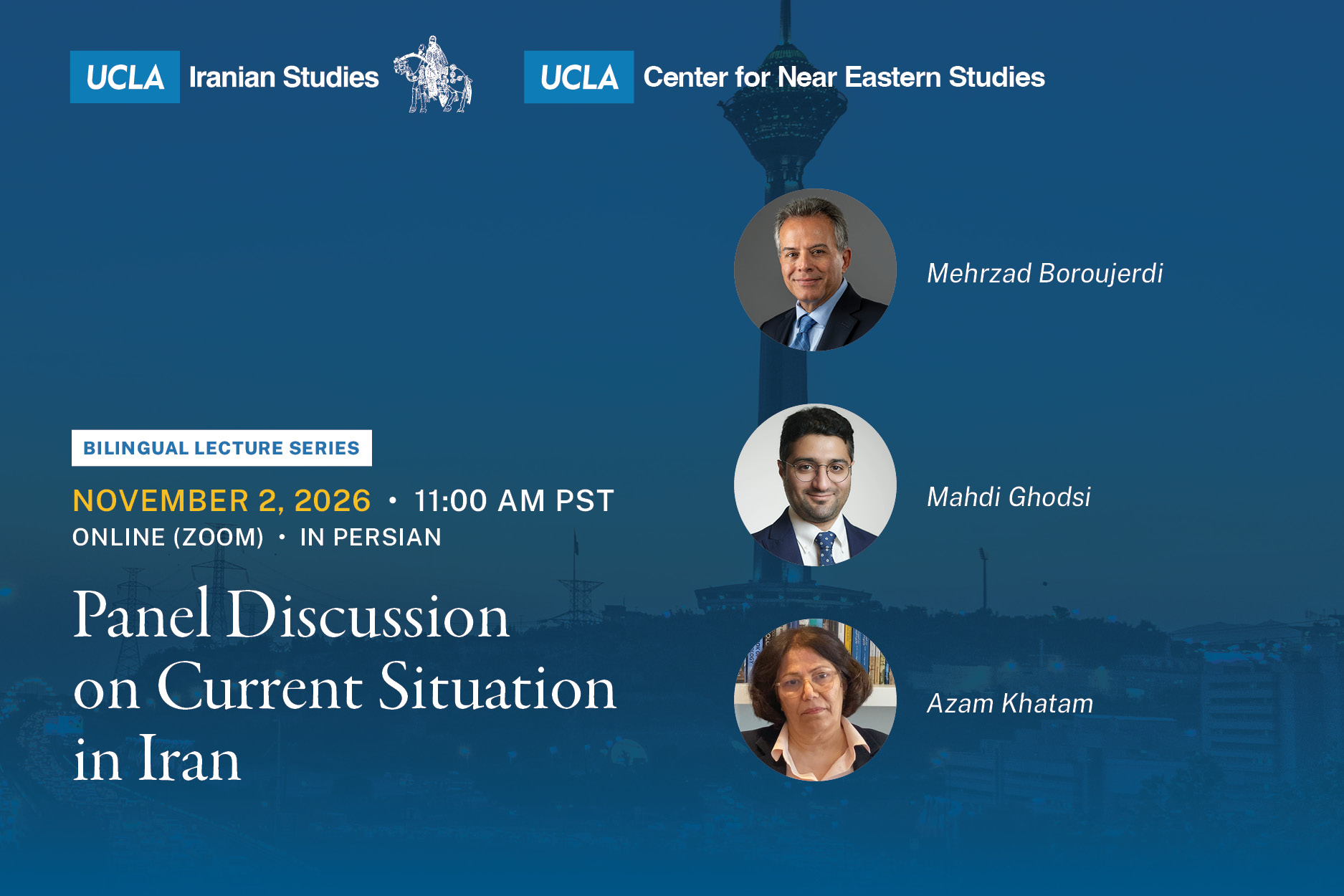
Bilingual Lecture Series: Panel Discussion on Current Situation in Iran
Panel Discussion on Current Situation in Iran
MONDAY, NOVEMBER 2, 2026
11:00 AM PST
In Persian
ONLINE ONLY
To watch on Zoom: https://ucla.in/4yjoB6Q
Panelists and Discussions Include:
Iran and the War: Domestic and International Repercussions
 This presentation examines the cumulative impact of recent developments on Iran’s domestic politics and foreign policy. It argues that, taken together, they have significantly altered the strategic calculations of Iran’s political leadership, reshaping its approach to domestic governance, regime security, regional strategy, and relations with the international community. The presentation will assess both the immediate consequences of these changes and their longer-term implications for the trajectory of the Islamic Republic.
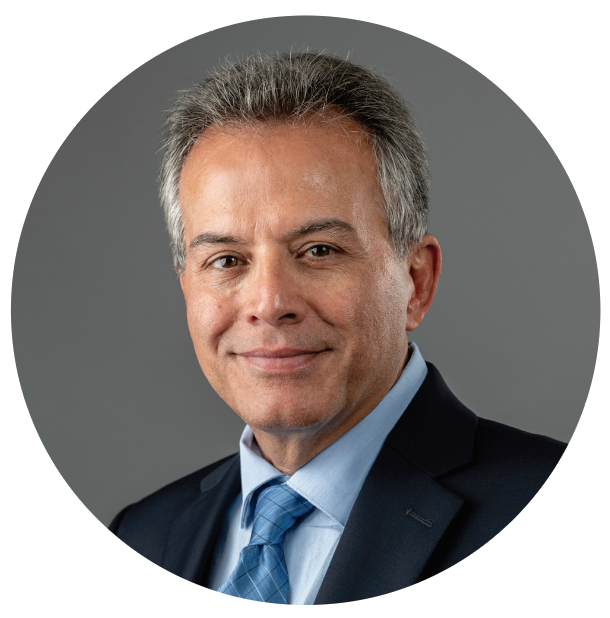
Mehrzad Boroujerdi (Missouri University of Science and Technology) is Vice Provost and Dean of the College of Arts, Sciences, and Education at Missouri University of Science and Technology. He previously served as Director of the School of Public and International Affairs at Virginia Tech and Professor of Political Science at Syracuse University. He has held fellowships and visiting appointments at Harvard, the University of Texas at Austin, UCLA, and the Middle East Institute. A former President of the Association for Iranian Studies, Boroujerdi is the author, co-author, or editor of several books on Iranian politics and intellectual history, including Iranian Intellectuals and the West and Post-Revolutionary Iran: A Political Handbook, and Mirror for the Muslim Prince: Islam and the Theory of Statecraft. He is also the co-founder of the Iran Data Portal.
Iran’s Economic Crisis and the Erosion of State Capacity
 Iran’s current recession and severe inflation are the latest phase of a much longer economic crisis. For roughly fifteen years, weak investment and limited gains in living standards have left the economy less able to absorb shocks. This talk examines how sanctions, policy failures, political uncertainty, and conflict have compounded those pressures, and how falling real incomes, deteriorating infrastructure, and shrinking economic opportunity affect the state’s capacity to meet basic needs. It concludes by considering what economic recovery would require and why a durable improvement depends on institutional as well as economic change.
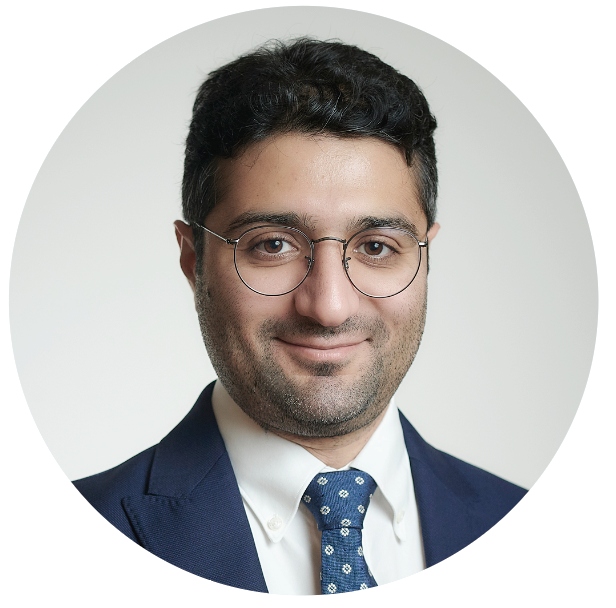
Mahdi Ghodsi (Vienna Institute for International Economic Studies) is a Senior Economist at the Vienna Institute for International Economic Studies (wiiw), where he leads the International Economics research group. He also teaches at the Vienna University of Economics and Business and is a Senior Fellow and Head of the Economy Unit at the Centre for Middle East and Global Order. His research examines international trade, cross-border investment, Iran’s economy, sanctions, and the economic consequences of political change.
The Social Construction of War across Two Moments
 This presentation explores how war is socially constructed and given meaning through the voices, practices, and cultural productions of civil society in Iran. Drawing on materials produced by artists, academics, civil society activists, and independent cultural institutions at two different moments of the U.S.-Israeli war against Iran—the 12-day war of June 2025 and the 40-day war that began in February 2026—this presentation traces shifts in how war is narrated. Situating these responses within the political rupture that followed the Dey protests, the presentation explores the emergence of new meanings and political imaginaries, as well as shifting tensions among vulnerability, resistance, and everyday life under wartime conditions.
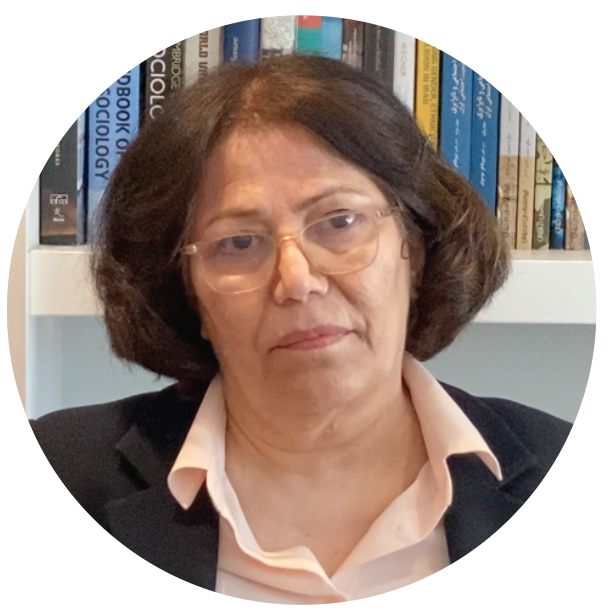
Azam Khatam (University of Toronto) is the Editor-in-Chief of the Global Iranian Studies Review at the University of Toronto. Her teaching and research focus on cities, social movements, development politics, and Iranian universities. She has published extensively on the transformation of Tehran, state–space relations, social movements and public space, and civic associations in universities. Her recent publications include “Archiving the War: On Public Statements and Political Memory” in Reflections on the June 2025 War (Jadaliyya); “Organizing at Universities and Unfolding Revolution in Iran” in Global Iranian Studies Review; “Densification and Speculative Real Estate in Tehran” in Urban Studies (forthcoming); and “Mahsa Amini’s Killing: State Violence and the Morality Police in Iran” in Human Geography (2023).
Event in Persian
This event is made possible with the co-sponsorship of the UCLA Program of Iranian Studies and the UCLA Center for Near Eastern Studies, as well as with the major support of the Amuzegar Chair in Iranian and the Musa Sabi Term Chair of Iranian Studies.