

Recorded: November 2, 2026
Event: Bilingual Lecture Series Panel Discussion on Current Situation in Iran
by Mehrzad Boroujerdi, Mahdi Ghodsi, Azam Khatam
Iran and the War: Domestic and International Repercussions
Mehrzad Boroujerdi (Missouri University of Science and Technology)
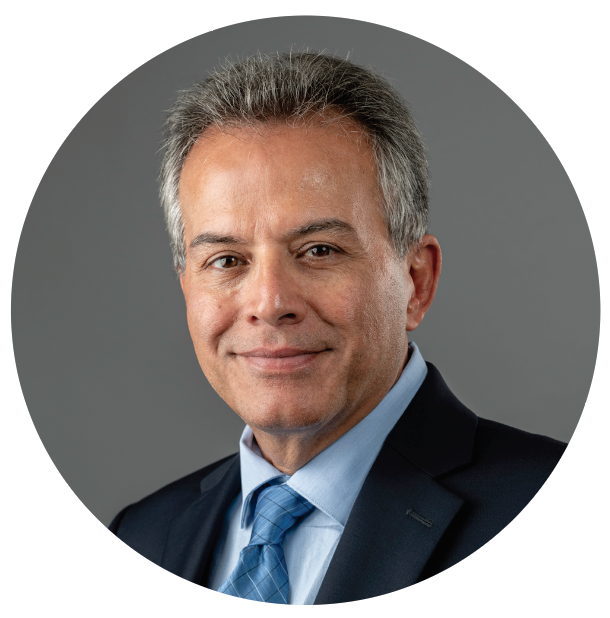 This presentation examines the cumulative impact of recent developments on Iran’s domestic politics and foreign policy. It argues that, taken together, they have significantly altered the strategic calculations of Iran’s political leadership, reshaping its approach to domestic governance, regime security, regional strategy, and relations with the international community. The presentation will assess both the immediate consequences of these changes and their longer-term implications for the trajectory of the Islamic Republic.
Iran’s Economic Crisis and the Erosion of State Capacity
Mahdi Ghodsi (Vienna Institute for International Economic Studies)
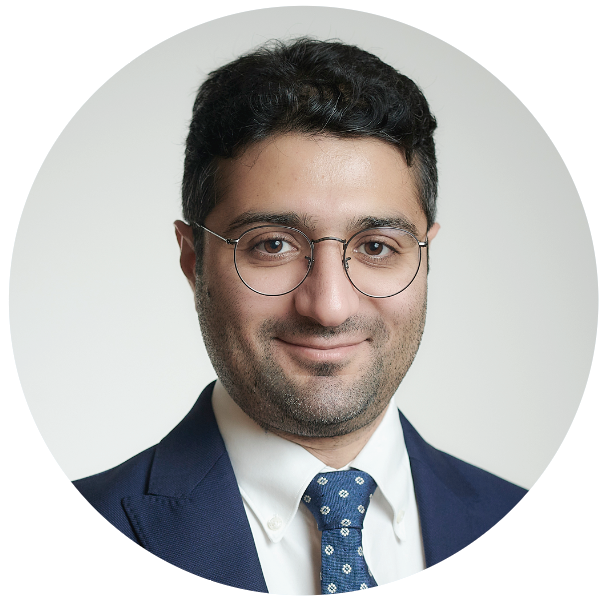 Iran’s current recession and severe inflation are the latest phase of a much longer economic crisis. For roughly fifteen years, weak investment and limited gains in living standards have left the economy less able to absorb shocks. This talk examines how sanctions, policy failures, political uncertainty, and conflict have compounded those pressures, and how falling real incomes, deteriorating infrastructure, and shrinking economic opportunity affect the state’s capacity to meet basic needs. It concludes by considering what economic recovery would require and why a durable improvement depends on institutional as well as economic change.
The Social Construction of War Across Two Moments
Azam Khatam (University of Toronto)
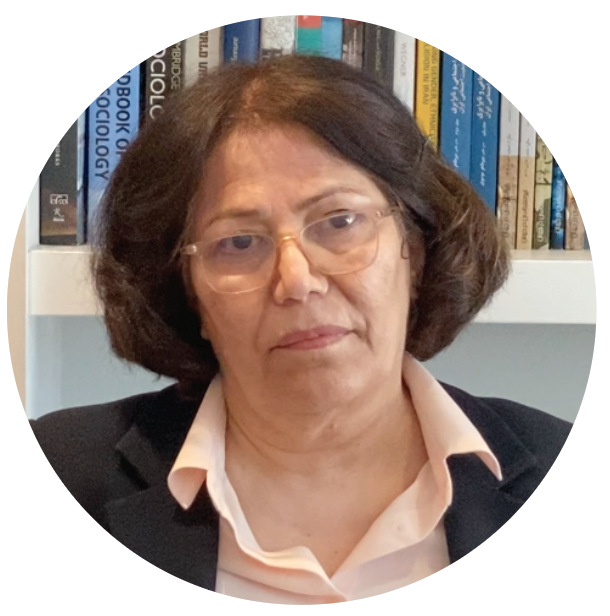 This presentation explores how war is socially constructed and given meaning through the voices, practices, and cultural productions of civil society in Iran. Drawing on materials produced by artists, academics, civil society activists, and independent cultural institutions at two different moments of the U.S.-Israeli war against Iran—the 12-day war of June 2025 and the 40-day war that began in February 2026—this presentation traces shifts in how war is narrated. Situating these responses within the political rupture that followed the Dey protests, the presentation explores the emergence of new meanings and political imaginaries, as well as shifting tensions among vulnerability, resistance, and everyday life under wartime conditions.
This event is made possible with the co-sponsorship of the UCLA Program of Iranian Studies and the UCLA Center for Near Eastern Studies, as well as with the major support of the Amuzegar Chair in Iranian and the Musa Sabi Term Chair of Iranian Studies.