

Iranian
Events
-
-
Dust-Flower-Flame
121 Dodd Hall 390 Portola Plaza, Los Angeles, CA, United StatesDust-Flower-Flame is a documentary film about the Iranian poet and theologian Tahirih Qurratul Ayn, considered one of the most important figures of the feminist movements in 19th century in Iran Shabnam Tolouei is an Iranian actress, director and playwright. She studied filmmaking in Iran at Bagh-Ferdos Film School and has a B.A. in Theatre Studies...
-
Performing Pamiri Identity in Central Asia
10383 Bunche Hall 11282 Portola Plaza, Los Angeles , CA, United StatesThe Pamir mountain range straddling the border between China, Tajikistan and Afghanistan lent its name to a specific group of Eastern Iranian languages, the Pamir languages. Speakers of these languages belong in majority to the Ismaili branch of Shia Islam. They are known as Pamiris. As speakers of unwritten, minority languages and as members of...
-
-
[POSTPONED] Ups and Downs of Women’s Quest for Equal Rights under the Islamic Republic of Iran
121 Dodd Hall 390 Portola Plaza, Los Angeles, CA, United StatesA lecture by Mehrangiz Kar Mehrangiz Kar is a writer, attorney, and activist specializing in women's rights and family law. She is currently a visiting scholar at the Gender and Women's Studies Department of California State University, Northridge (CSUN). Prior to this fellowship, she worked as a senior expert at Family Health International (FHI), a Washington DC-based international development...
-
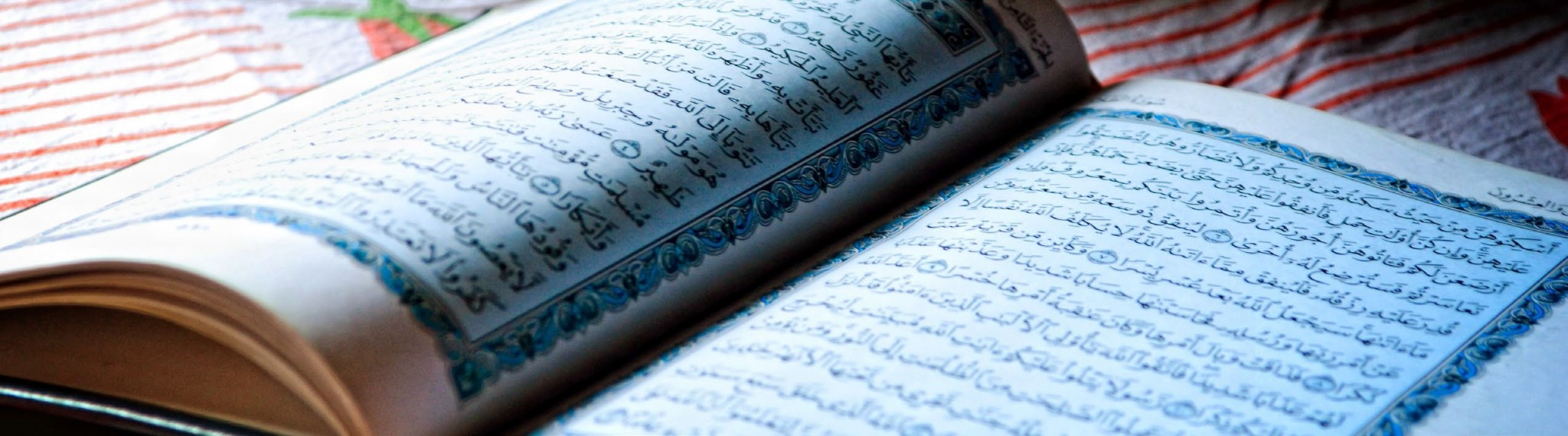
New Methods in the Study of the Qur’an
11348 Charles E. Young Research LibraryThe date and provenance of the Qur’an, as with all the literary sources for early Islamic history, have been the subject of scholarly disagreement for decades. So have the questions of whether the Qur’an had one author or multiple authors, and whether the suras are random mishmashes of verses from different periods or somewhat coherent...
-
-
Two Book Talks by Ghobad Fakhimi and Fredun Hojabri
121 Dodd Hall 390 Portola Plaza, Los Angeles, CA, United StatesTwo Book Talks in Persian Ghobad Fakhimi received his BS as a petroleum engineer in 1956. He later attended the Abadan Institute of Technology and Columbia University, where he studied advanced chemical engineering. He then worked for NIOC, first as a plant operator, retiring as a member of the Board of Directors. Upon retirement, Fakhimi founded Independent International Consultants (IIC) through...
-
-

Persepolis After Alexander
121 Dodd Hall 390 Portola Plaza, Los Angeles, CA, United StatesA lecture in Persian Ali Mousavi was born and raised in Iran. He studied in Lyon, France, and took his B.A. in Art History, and his M.A. in Archaeology from the University of Lyon, France. He obtained his Ph.D. in archaeology of the ancient Near East from the University of California, Berkeley. He excavated in France,...
-

Film Screening
Haines 220 375 Portola Plaza, Los Angeles, CA, United StatesThe Iranian Student Group at UCLA will be hosting a screening and Q&A with lm director Jahangir Golestan for two back-to-back, English-language documentaries: Homeless to Homeowner, telling the story of Mohammad Mohanna, who establishes a facility to serve the homeless of Sacramento, and Bam 6.6, detailing the story of the Iranians that saved the lives...
-
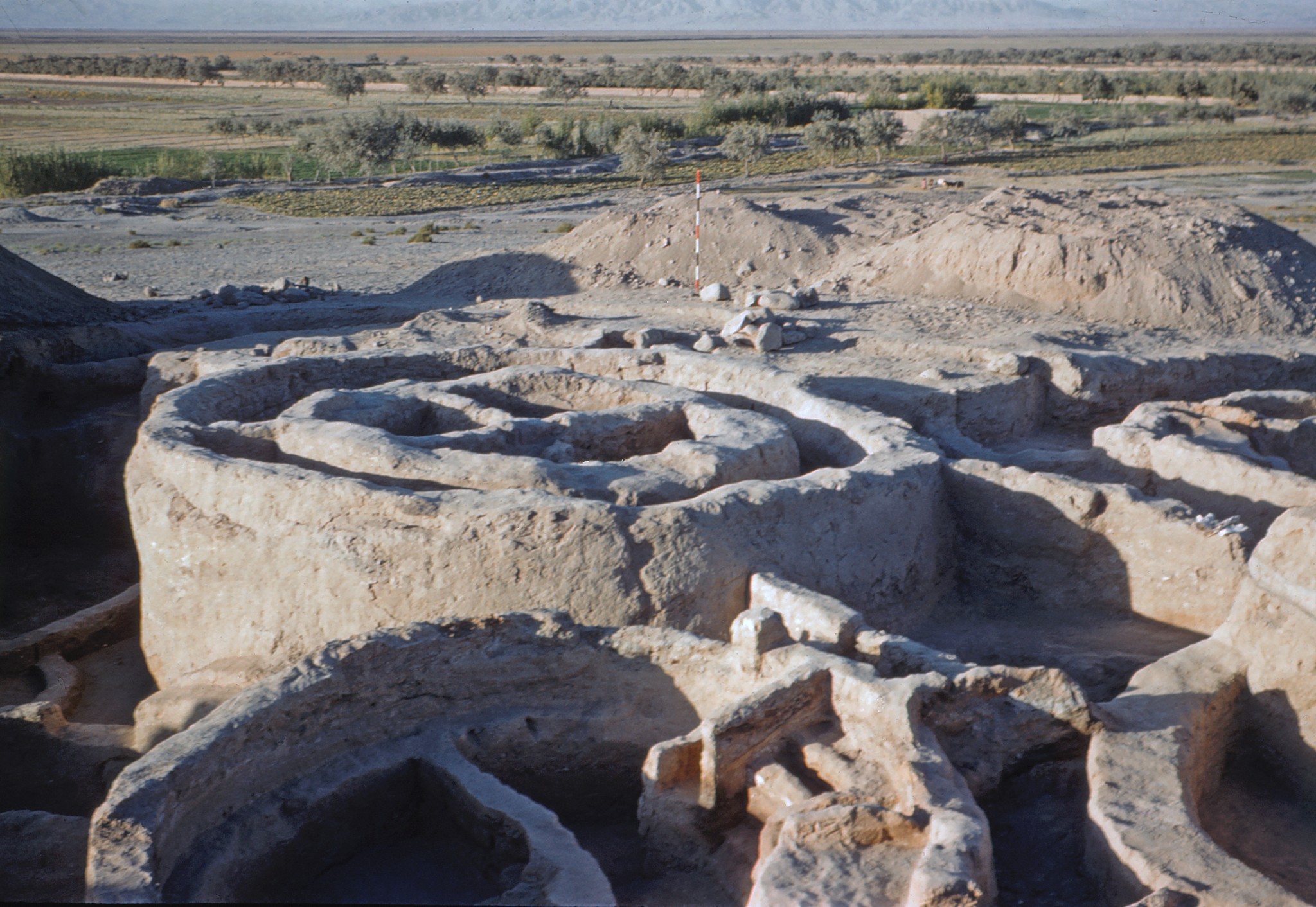
Western Iran in the Third Millennium BCE: The Early Trans-Caucasian Phenomenon Seen from Yanik Tepe
Royce Hall Room 306 10745 Dickson Plaza, Los Angeles, CA (CALIFORNIA)The Early Trans-Caucasian (ETC), otherwise known as Kura–Araxes, Karaz, and Khirbet Kerak, spanned the later part of the fourth and the entire third millennia BCE. Defined by distinctive pottery assemblages, and also by building styles and portable hearths, the ETC stretched over a vast expanse from the upper Euphrates Valley to the Caspian hills and...
-
-
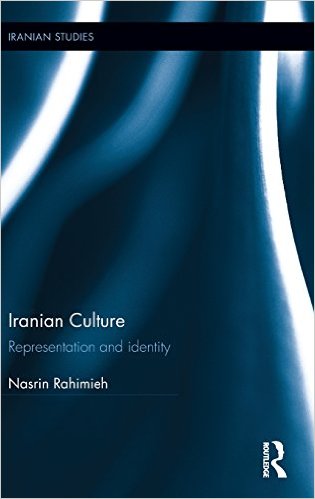
Contested Terrains of Iranian Culture
NELC Seminar Room (Humanities 365) 365 Humanities, Los Angeles, CA, United StatesA lecture in English Throughout modern Iranian history, culture has served as a means of imposing unity and cohesion onto society. The Pahlavi monarchs used it to project an image of Iran as an ancient civilization, re-emerging as an equal to Western nations, while the revolutionaries deployed it to remake the country into an Islamic...
-

Metaphysical Subversions in Contemporary Iranian Art
NELC Seminar Room (Humanities 365) 365 Humanities, Los Angeles, CA, United StatesA lecture in English The directional force of contemporary Iranian art, especially photography, the genius of its expression, is principally the subversion of metaphysical concepts, be they theological, philosophical and/or ontological. Contemporary Iranian art makes transparent the arbitrariness of Truth centers, thus resulting in the erasure of such cherished absolutes as the concept of author...