

Iranian
Events
-
-
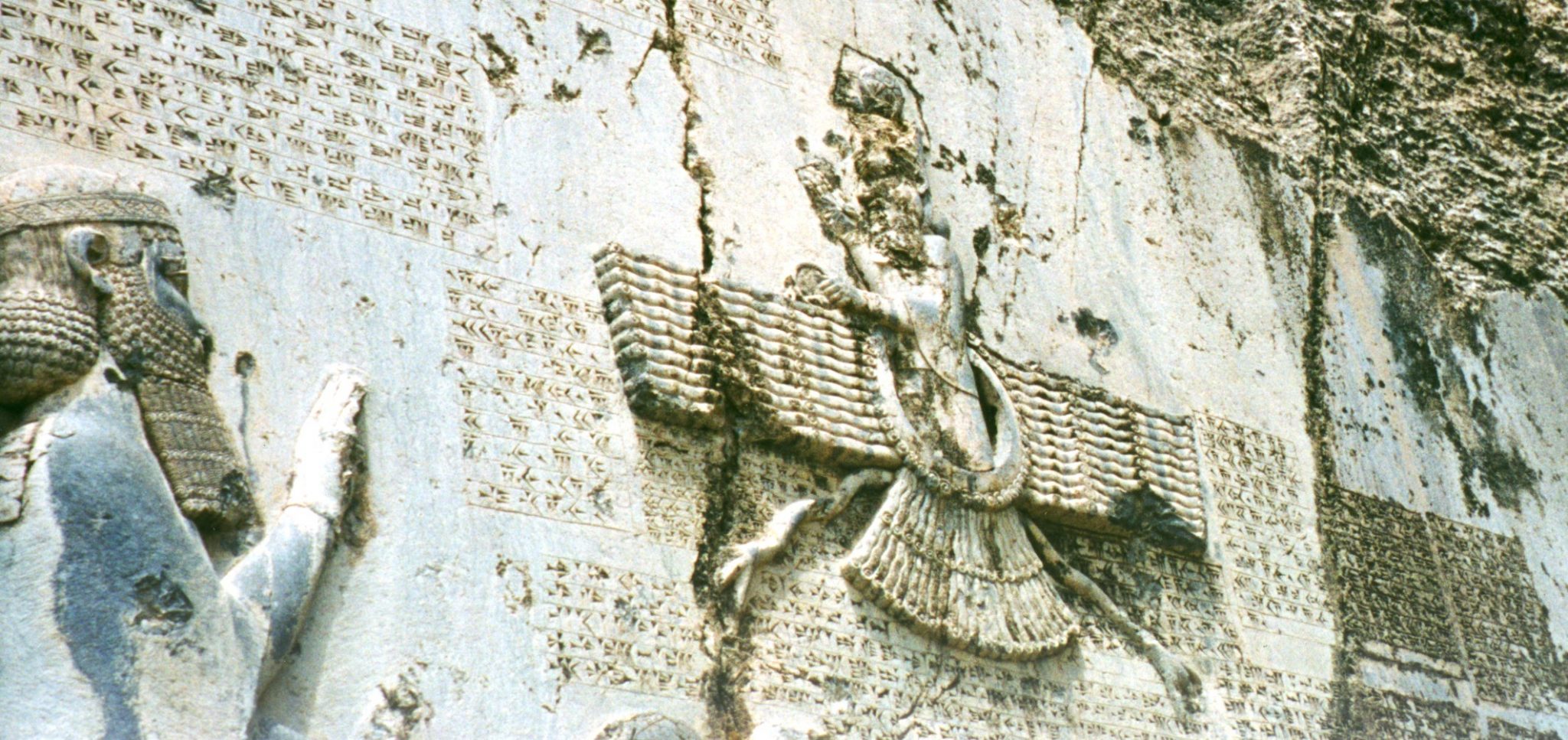
Greater Glory: Darius I and Divinity in Achaemenid Royal Ideology
Royce Hall Room 306 10745 Dickson Plaza, Los Angeles, CA (CALIFORNIA)Matthew Waters (University of Wisconsin-Eau Claire) The close link between the king and the divine has deep roots in Near Eastern royal ideologies, and the Persian kings during the Achaemenid period (c. 550-330 BCE) followed this tradition. Exactly how close was the link? Recent studies suggest a blurred line between the two especially during at...
-

Sexuality and Cultural Change in Iranian Cinema
121 Dodd Hall 390 Portola Plaza, Los Angeles, CA, United StatesA lecture in Persian by Kamran Talattof (University of Arizona). October 8, 2017. The history of Iranian cinema adequately reflects the construction of gender in Iran. But the expression of sexuality is a problematic notion on a number of levels. In western societies, the preoccupation with human sexuality prompted reflection about human physiology, gender identity,...
-

What Kind of Wine did Rudaki Fancy?
Humanities Bldg. Rm 348 415 Portola Plaza, Los Angeles, CA (CALIFORNIA)A lecture in English by Kamran Talattof (University of Arizona). October 09, 2017. One of the earliest Persian poets, Rudaki (859–941), employed the word wine within a wide semantic register in his poems. However, his unicity is most manifest when the process of wine making is depicted within a highly allegorical poem entitled “Mother of Wine."...
-
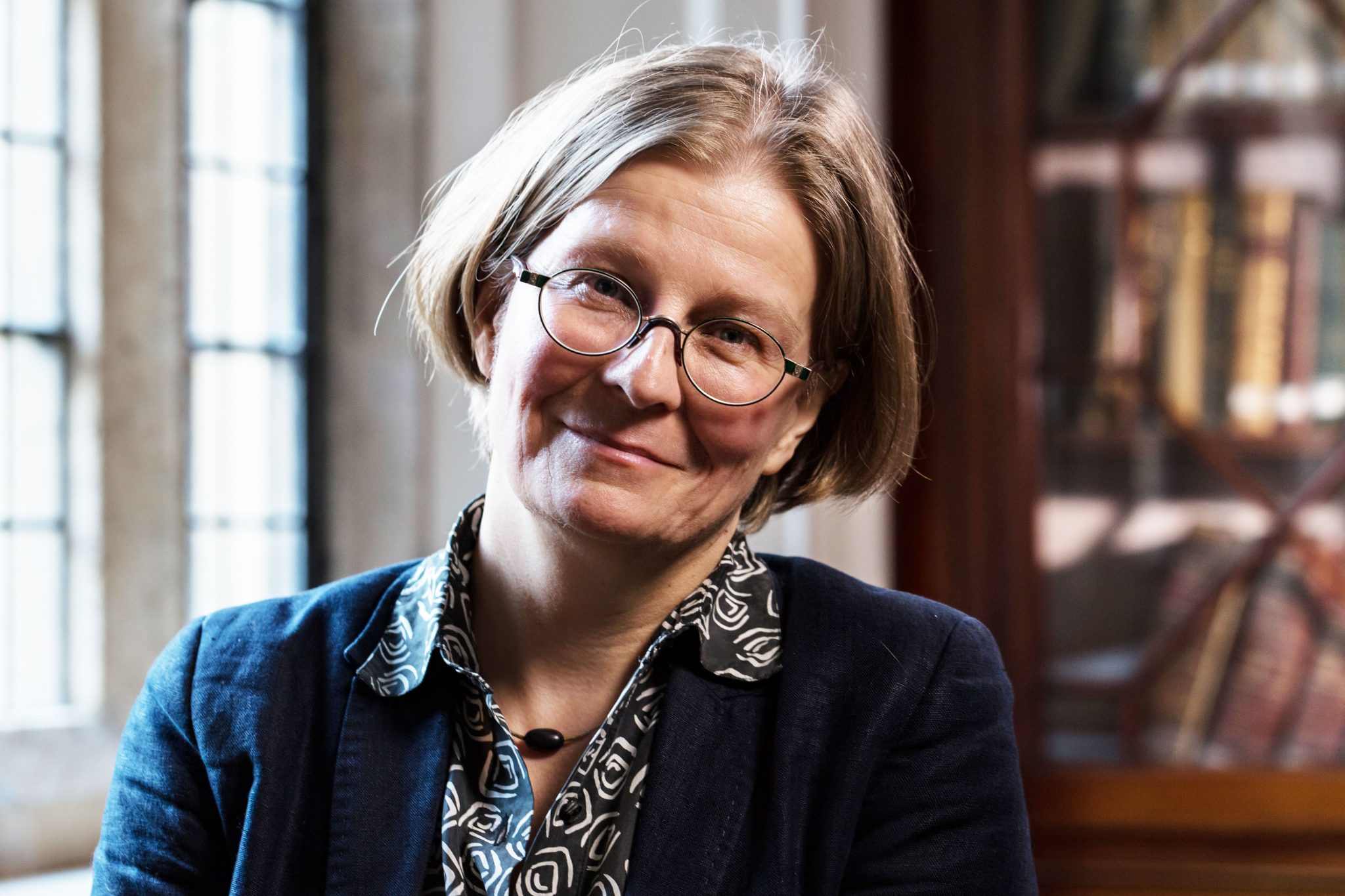
Rashīd al-Dīn in the Eye of the Beholder: Proposing a Holistic Approach to Reception History
10383 Bunche Hall 11282 Portola Plaza, Los Angeles , CA, United StatesPhoto: Humboldt Foundation/Wolfgang Hemmann Central Asia in Transition Lecture by Judith Pfeiffer (University of Bonn) Recent scholarship has painted a rather dim picture of the Mongol-Ilkhanid vizier and historian Rashīd al-Dīn’s (d. 718/1318) historiographical impact in the Muslim world. This lecture proposes a holistic approach to Rashīd al-Dīn’s oeuvre that includes both his historiographical and...
-
How much of a physician was Rashīd al-Dīn?
Royce Hall Room 306 10745 Dickson Plaza, Los Angeles, CA (CALIFORNIA)Photo: Humboldt Foundation/Wolfgang Hemmann A lecture by Judith Pfeiffer (University of Bonn) Rashīd al-Dīn Faḍl Allāh Hamadānī (d. 718/1318) is often introduced as “ṭabīb,” or ‘physician,’ mostly to distinguish him from authors with similar names, notably the epistolographer Rashīd al-Dīn Waṭwāṭ (d. 578/1182). This paper discusses Rashīd al-Dīn’s scholarly persona as a physician. Starting from his epithet,...
-
-

The King of Kings’ Empire as a Garden in Ancient Iran
Royce Hall Room 306 10745 Dickson Plaza, Los Angeles, CA (CALIFORNIA)Touraj Daryaee (UC Irvine) This lecture explores the idea of the Sasanian Empire (Iranshahr) as a garden. The theme of the Persian Empire as a paradise has been explored by a number of scholars, but the continuation of this idea in Late Antiquity is neglected. The speaker will discuss how the Sasanian king of kings...
-

Computers and Challenges of Writing in Persian
121 Dodd Hall 390 Portola Plaza, Los Angeles, CA, United StatesA lecture in Persian by Behrooz Parhami (UCSB). November 19, 2017. The Persian script has presented some difficulties, ever since printing presses were introduced in Iran in the 1600s. The appearance of typewriters created additional problems and the introduction of digital computers added to the design challenges. These difficulties persisted, until high-resolution dot-matrix printing offered greater...
-
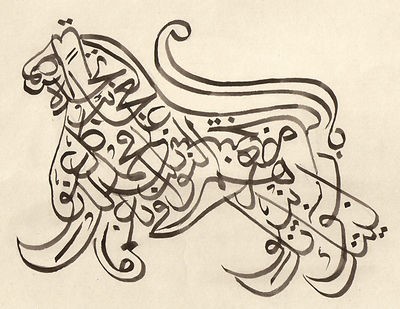
Computers and Challenges of Writing in Persian
Humanities Room 365 415 Portola Plaza, Los Angeles, CA, United StatesA lecture in English by Behrooz Parhami (UCSB). November 20, 2017. The Persian script has presented some difficulties, ever since printing presses were introduced in Iran in the 1600s. The appearance of typewriters created additional problems and the introduction of digital computers added to the design challenges. These difficulties persisted, until high-resolution dot-matrix printing offered greater...
-

Many Roads to Oxiana: Safavid and Mughal Poetry on Central Asian Campaigns
10383 Bunche Hall 11282 Portola Plaza, Los Angeles , CA, United StatesSunil Sharma (Boston University) Central Asia under the Uzbeks was viewed with ambivalence by their Persianate neighbors, the Safavids and Mughals. On the one hand, it was cherished as the cradle of Persian literature and the Timurid homeland, but at the same time its rulers were also frequently at war with them. Literary representations of military...
-
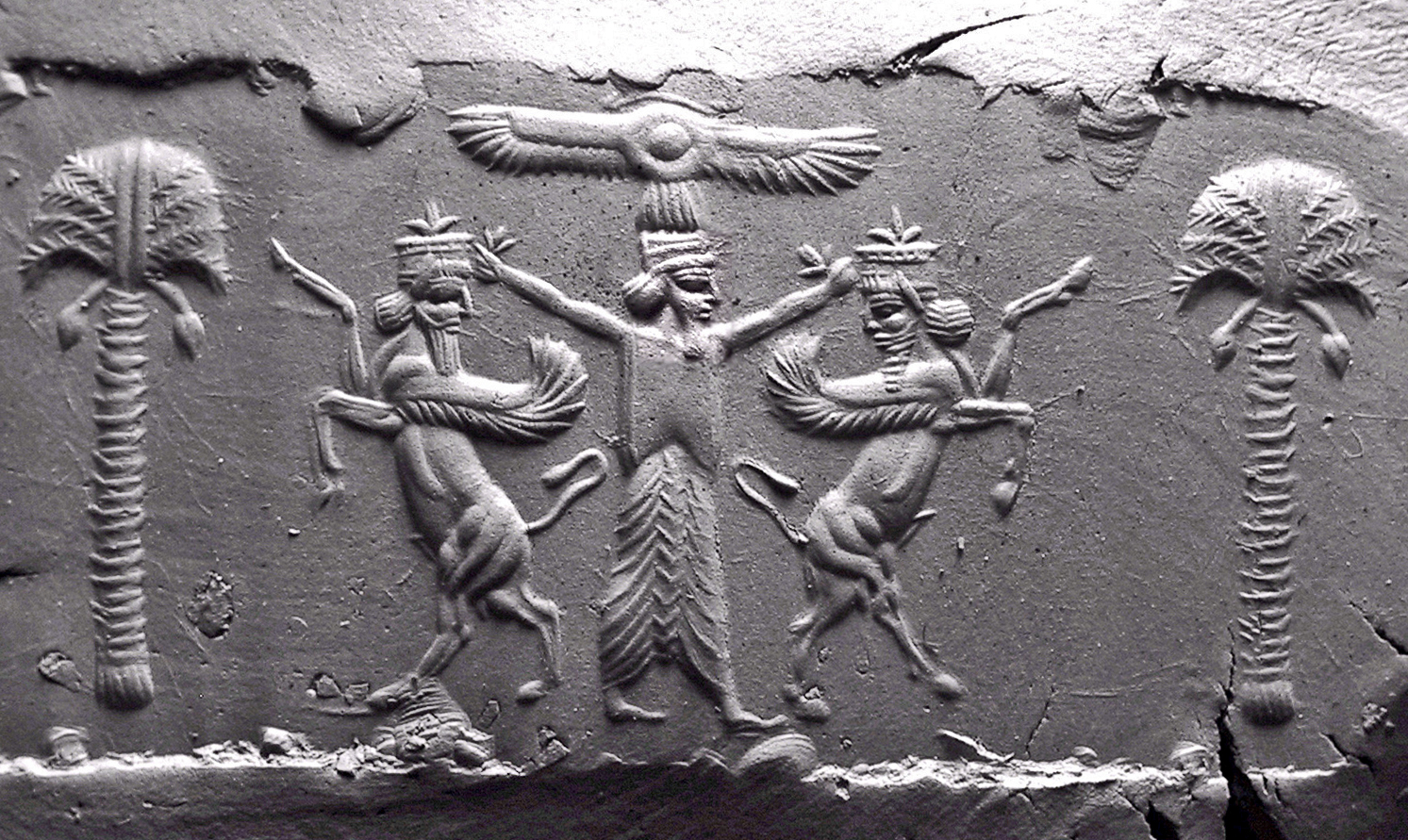
The Achaemenid King and his Governors: Identity – Imitation – Identification
Royce Hall Room 306 10745 Dickson Plaza, Los Angeles, CA (CALIFORNIA)Maria Brosius (University of Toronto) While we may have a rather clear idea about the relationship between the Achaemenid king and his satraps, the relationship between the king and local governors and city-rulers has received less scholarly attention. An exception to this omission is Mausolus of Caria who seems to stand out because Greek sources...